
 020 8163 2959
 Book A Free Consultation


Penis Enlargement Surgery Risks and Complications: What Patients Should Know
Penis enlargement surgery is a significant medical procedure, and anyone considering treatment should understand the potential risks and complications before making a decision.
As with any operation, penis enlargement surgery carries risks. These can vary depending on the surgical technique used, the patient's individual anatomy, medical history and general health.
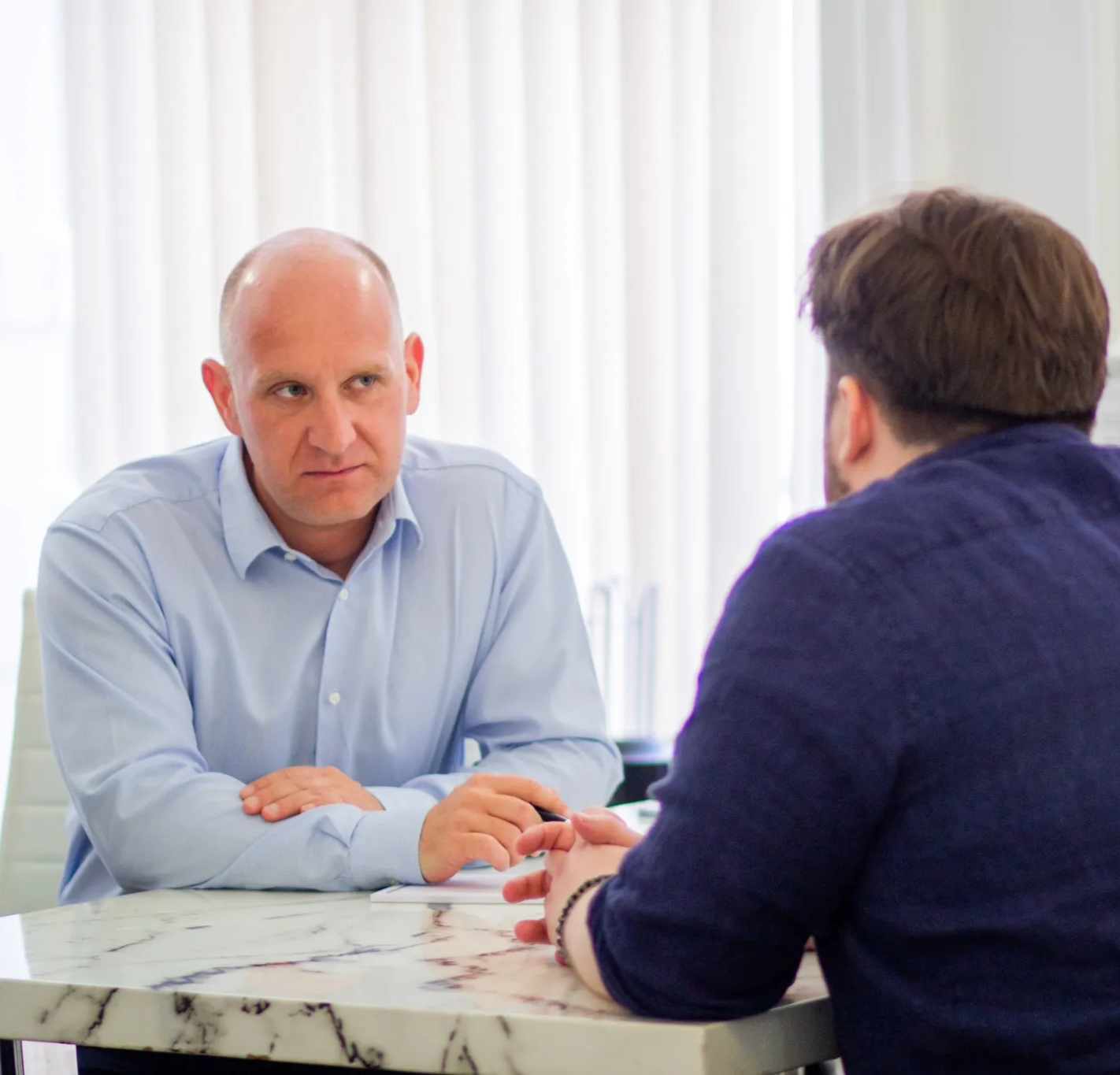
A detailed consultation with an appropriately qualified and experienced surgeon is essential. It provides an opportunity to discuss the proposed procedure, possible complications, realistic expectations and whether surgery is suitable for the individual.
This guide explains some of the potential risks associated with penis enlargement surgery and the importance of informed decision-making, appropriate surgical care and post-operative follow-up.
Understanding Surgical Risk
All surgical procedures carry potential risks, and penis enlargement surgery is no exception. The nature and likelihood of complications can vary according to the technique used, the patient's anatomy, medical history and individual healing response.
Some effects may occur as part of the normal post-operative healing process. These can include:
- Swelling: Temporary swelling around the treated area.
- Bruising: Discolouration caused by bleeding beneath the skin.
- Discomfort: Pain, tenderness or sensitivity during recovery.
- Temporary changes in sensation: Altered sensitivity in the treated area.
The extent and duration of these effects vary between patients. Your surgeon should explain what may be expected following your particular procedure and which symptoms should prompt medical advice.
Possible Complications
Although not every patient experiences complications, it is important to understand that more significant problems can occur following penis enlargement surgery.
Potential complications may include:
- Infection: Infection affecting the surgical site or surrounding tissues.
- Bleeding or haematoma: Bleeding beneath the skin that may cause swelling, bruising or discomfort.
- Delayed wound healing: The surgical wound may take longer than expected to heal or may require additional treatment.
- Scarring: Surgical scars may be more noticeable than anticipated or heal unevenly.
- Asymmetry or irregularities: The appearance or contour of the penis may not be completely even.
- Changes in sensation: Numbness, altered sensitivity or other sensory changes may occur.
- Unsatisfactory cosmetic results: The final appearance may differ from the patient's expectations and, in some cases, further treatment may be considered.
The risks depend on the specific procedure and individual circumstances. Patients should ask their surgeon which complications are most relevant to the technique being proposed and what treatment would be available if a problem developed.
Importance of Surgeon Experience
Choosing an appropriately qualified surgeon with relevant experience is an important part of assessing the risks of penis enlargement surgery.
Patients should look for a surgeon who can demonstrate:
- Relevant qualifications and registration: Check the surgeon's medical qualifications and current registration with the General Medical Council (GMC).
- Specialist knowledge: Experience in urology, male genital anatomy and the surgical techniques being considered.
- Procedure-specific experience: Ask how frequently the surgeon performs the particular operation being proposed.
- Careful patient assessment: The surgeon should consider medical history, anatomy, expectations and individual suitability.
- Clear discussion of risks: Potential complications, limitations and alternative treatments should be explained before a decision is made.
- Appropriate clinical facilities: Understand where the procedure takes place and the arrangements for managing complications.
Patients should feel comfortable asking direct questions about a surgeon's experience and the evidence supporting their recommendations. No surgeon can guarantee an outcome or eliminate all surgical risks.
Following Aftercare Advice
Following the surgeon's post-operative instructions is an important part of recovery after penis enlargement surgery.
Aftercare guidance will depend on the procedure performed and the patient's individual circumstances. Patients may be advised to:
- Follow the wound care and hygiene instructions provided by their clinical team.
- Take prescribed medication exactly as directed.
- Avoid strenuous exercise, heavy lifting and other restricted activities until advised that it is appropriate to resume them.
- Follow the surgeon's advice about sexual activity and masturbation during recovery.
- Attend recommended follow-up appointments so that healing can be assessed.
- Contact the clinical team promptly if they experience unexpected symptoms or have concerns about their recovery.
Patients should not change dressings, apply products or restart activities based on general online advice if their surgeon has provided different instructions.
If symptoms are severe or worsening, seek medical advice rather than waiting for a routine follow-up appointment.
When to Seek Medical Advice
Patients should contact their surgical team if they experience unexpected symptoms or are concerned about their recovery.
Symptoms that warrant prompt medical advice include:
- Increasing or severe pain.
- Rapidly worsening swelling or bruising.
- Persistent bleeding.
- Redness, increasing warmth or discharge around the surgical wound.
- Fever or feeling generally unwell.
- Difficulty passing urine.
- Wound separation or concerns about healing.
Severe bleeding, sudden chest pain, significant breathlessness or collapse require emergency medical attention. In the UK, call 999 for a medical emergency.
Patients should not delay seeking advice if they are worried about a possible complication. Early assessment can help determine whether treatment is needed.
The Bottom Line
Understanding the potential risks and complications is an essential part of deciding whether penis enlargement surgery is right for you.
The procedure should only be considered after an individual assessment by an appropriately qualified surgeon, with clear information about the proposed technique, possible complications, realistic outcomes and recovery requirements.
Patients should take time to ask questions, consider the information provided and make an informed decision without feeling pressured to proceed.
A responsible clinical approach places patient suitability, informed consent and appropriate aftercare at the centre of treatment.
Understanding the risks is an important part of deciding whether penis enlargement surgery is right for you. To learn more about the procedure, surgical approach and consultation process, visit our penis enlargement surgery page.
About Moorgate Andrology
Moorgate Andrology is a UK-based specialist clinic providing penis enlargement surgery, penile filler treatment, and peyronies disease management.
Treatments are delivered using a medically-led approach focused on safety, precision, and natural-looking outcomes.



LEAVE A REPLY Cancel Reply
Your email address will not be published. Required fields are marked *