020 8163 2959
 BOOK CONSULTATION / TREATMENT
What patients usually want to know before surgery
Most patients considering penis enlargement surgery want straightforward answers to questions such as:
- How much extra length might be possible?
- Will penis girth change as well as length?
- How long does swelling last?
- When can normal activity resume?
- When are the final results easier to assess?
- What kind of aftercare is involved?
- Who is a suitable candidate for surgery?
- Does penis enlargement surgery increase erect length
These are sensible questions. A clear understanding of recovery and results helps patients make informed decisions and prepare properly before treatment.
Each patients results vary based on :
- Invididual anatomy
- Type of procedure performed
- Adherence to aftercare instructions.
The Urologists provide detailed guidance during consultation to set realistic expectations.

What penis enlargement surgery aims to improve
Penis enlargement surgery may be considered by patients who want to improve visible flaccid length, enhance flaccid and erect girth, or address long-standing concerns about confidence and body image. Depending on the treatment plan, surgery may focus on length, girth, or a combined approach.
At Moorgate Andrology, treatment planning is tailored to the individual. This is important because anatomy, tissue characteristics, healing response, and surgical goals vary from one patient to another. A consultation with an expert urologist helps determine whether surgery is appropriate and what type of result may be realistic.
What results can patients expect?
Penis enlargement surgery results vary between individuals, and it is important to avoid treating surgery as a one-size-fits-all solution. In suitable cases, penis enlargement surgery may improve visible flaccid length and, where relevant, flaccid and erect girth. The exact outcome depends on the procedure performed, the patient’s starting anatomy, and how healing progresses.
For patients having ligament release with fat transfer, typical flaccid length gain is often in the region of 2.5 to 5 cm, with recovery commonly taking around 4 to 6 weeks before patients feel more settled in the early healing phase . Some patients notice changes quickly, while others need more time for swelling to reduce before they can judge the overall outcome properly. All patients have swelling and bruising for a few weeks after penis enlargement surgery.
It is also important to explain that early post-operative appearance is not the same as the final result. In the first days and weeks after surgery, swelling, bruising, firmness, and temporary irregularity can affect how the area looks. This is a normal part of healing and one reason why good aftercare and realistic expectations matter.
The penis can be thickening with either a fat transfer or penis fillers. A fat transfer takes fat from the belly or the inner thighs (where the best quality fat it) and after purification, it is injected into the shaft to thicken it. This will thicken the penis between 2.5 and 5cm.
Another option to thicken the penis are penis fillers. These are temporary in nature and more expensive than a fat transfer over the medium to long term, but are performed on an outpatient basis rather than in hospital. Penis fillers work by the injection of hyaluronic acid into the shaft of the penis. The results are instant but slowly fade over 12 months to two years depending on the type of filler used.


Understanding early recovery: what patients may notice first
In the early recovery period, patients commonly experience:
- swelling
- bruising
- mild to moderate discomfort
- temporary tightness or heaviness
- sensitivity around the treated area
- changes in appearance while tissues settle
These early effects can make it difficult to assess the outcome immediately. Many patients naturally focus on day-to-day visual changes in the first week, but recovery is usually more gradual than that. The most helpful approach is to follow aftercare carefully and allow the tissues time to settle.

Factors that influence patient results
Several factors can affect how a patient heals and how their result develops over time:
Starting anatomy
Baseline anatomy plays a major role in what may be achievable. This includes tissue structure, body habitus, skin characteristics, and how much visible change is possible from the outset.
Procedure type
Different surgical approaches are designed to address different goals. Some patients are more concerned about visible flaccid length, while others are more focused on girth or a combined outcome.
Healing response
Every patient heals differently. Swelling, scar behaviour, bruising, and tissue settling may vary from person to person.
Aftercare compliance
Following aftercare properly can have a meaningful impact on recovery. Patients who understand restrictions, attend follow-up, and follow medical advice are generally better placed to recover smoothly.
Expectations and goals
Patients are best served when their goals are discussed openly before surgery. A good consultation does not simply focus on what is technically possible. It also explores whether the desired outcome is appropriate, realistic, and aligned with the patient’s anatomy.
Price guide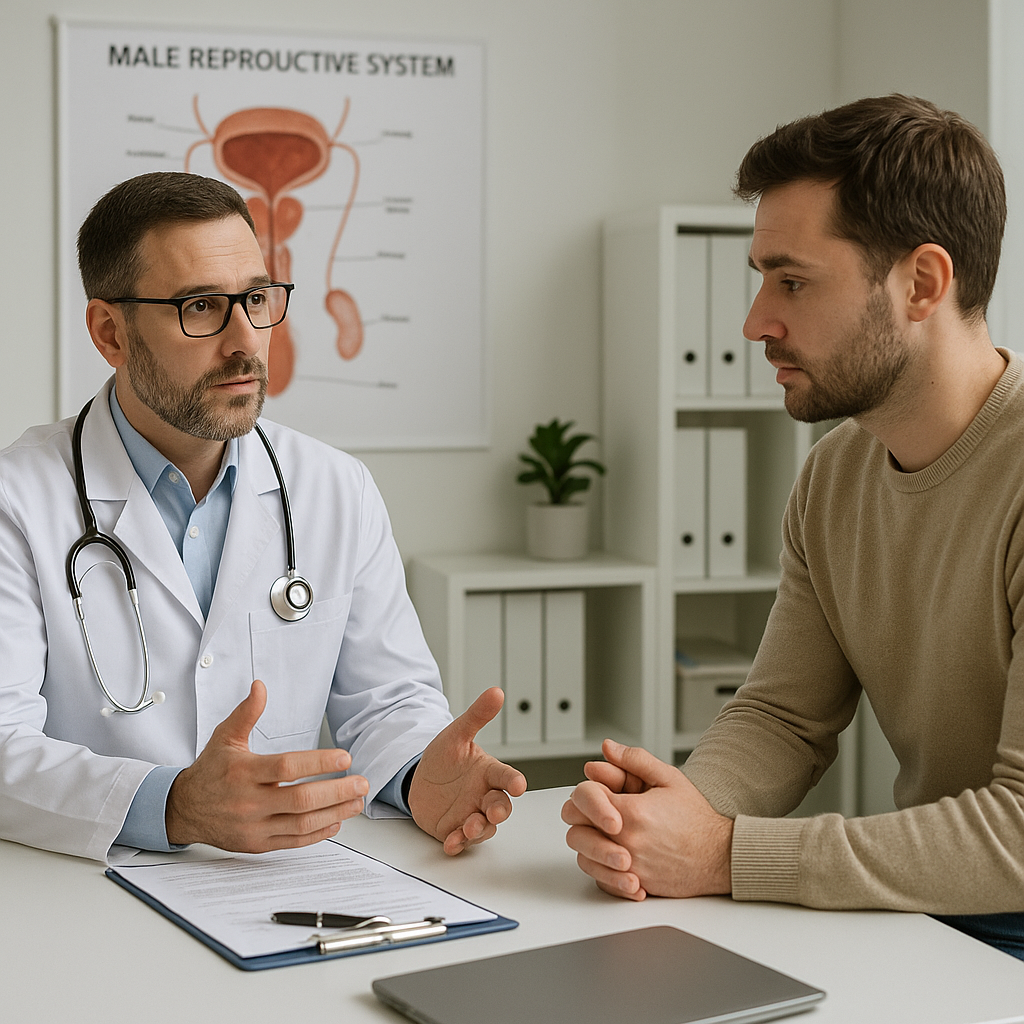
The importance of Aftercare
Expert aftercare is a core part of penis enlargement surgery, not an afterthought. Proper aftercare supports healing, helps monitor progress, and gives patients reassurance during a stage when temporary changes can sometimes cause anxiety.
At Moorgate Andrology, patients are supported with personalised guidance before and after treatment. This includes helping patients understand what is normal in recovery, when improvement may still be ongoing, and when they should seek advice.
Good aftercare may include:
- wound-care guidance
- hygiene advice
- activity restrictions
- recovery monitoring
- follow-up appointments
- support from the patient care team when questions arise

When can patients return to normal activities ?
This depends on the procedure and the individual recovery process. Patients are generally advised to avoid rushing back into exercise, sexual activity, or strenuous physical activity before they have been properly guided to do so. In most cases this abstinence is six weeks , although most patients return to work within a few days to one week
A safe return to normal routine should be based on healing progress rather than impatience. During consultation and aftercare, patients should be given clear guidance on when different activities may be resumed.
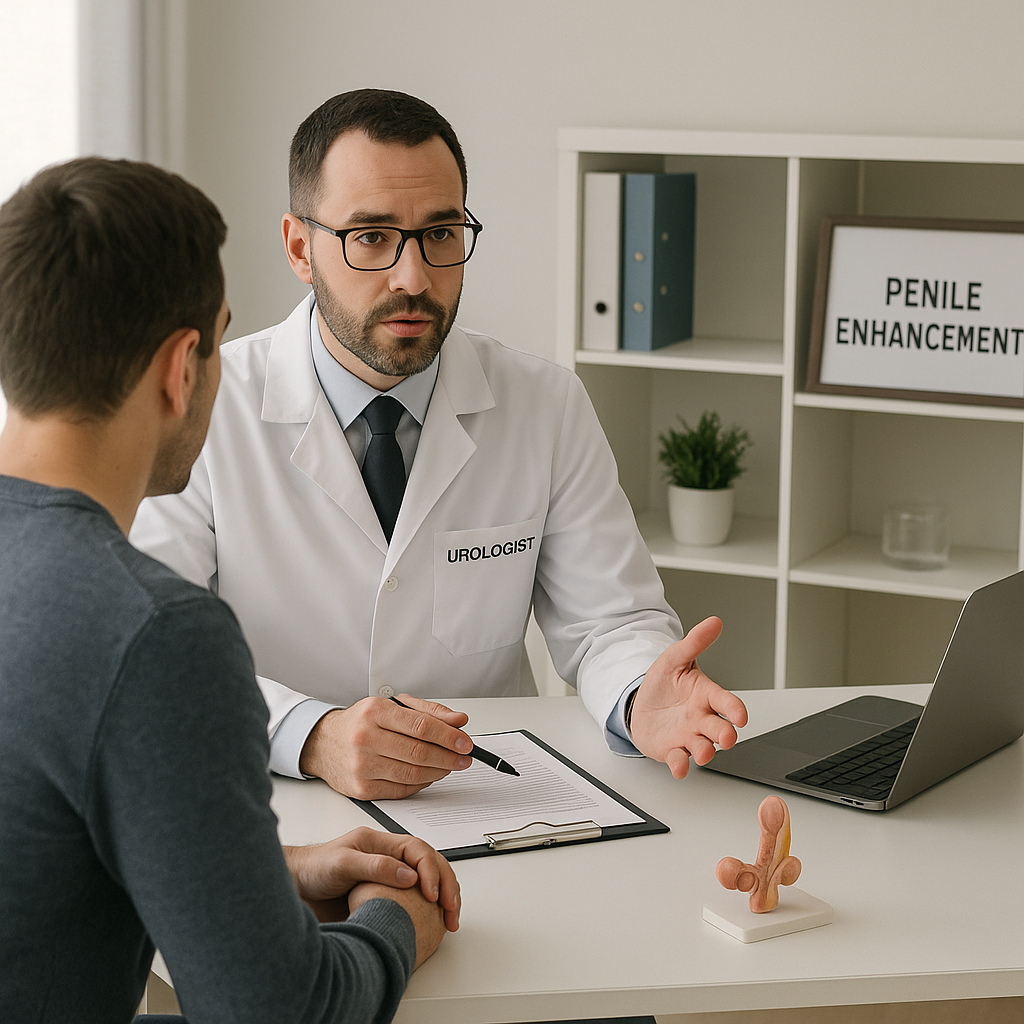
Surgical and non-surgical procedures should be considered separately
Some patients searching for penis enlargement are comparing surgery with non-surgical girth enhancement. These are not the same treatment path and should be explained separately.
Surgery may be more appropriate for patients seeking a structural, longer-term change in visible length and, in selected cases, combined enhancement. Non-surgical fillers are often more relevant for patients focused primarily on girth and minimal downtime.
Clear separation between these treatment types helps patients find the right information more quickly and improves content relevance for search.

Why Patients choose Moorgate Andrology
Patients often want treatment that feels medically credible, discreet, and properly supported from consultation through to aftercare. Moorgate Andrology is positioned around those priorities.
Reasons patients may choose Moorgate Andrology include:
- treatment by experienced GMC-registered urologists
- confidential consultations tailored to the individual
- private, discreet care in the UK
- expert aftercare and recovery support
- a focus on natural, permanent results where appropriate
- specialist experience in male genital health and related procedures