
 020 8163 2959
 Book A Free Consultation
Peyronie's disease affects both physical function and intimate relationships, but understanding the condition and available treatment options can help restore sexual confidence and wellbeing.
What Peyronie's Disease Means For Sexual Function
Peyronie's disease is a condition characterised by the development of fibrous scar tissue, known as plaque, within the penis. This plaque forms in the tunica albuginea, the thick sheath of tissue surrounding the erectile chambers. As this scar tissue develops, it can cause the penis to bend or curve during erection, often accompanied by pain, shortening of the penis, and in some cases, erectile dysfunction. The condition affects approximately 3-9% of men, though many cases may go unreported due to embarrassment or lack of awareness.
The impact on sexual function varies considerably depending on the severity of the curvature and the location of the plaque formation. Some men experience only mild curvature with minimal impact on their ability to engage in sexual activity, while others face significant challenges. When curvature exceeds 30 degrees, penetrative intercourse can become difficult or impossible without discomfort for one or both partners. The disease typically progresses through two distinct phases: an acute phase lasting 12-18 months during which the curvature worsens and erections may be painful, followed by a chronic phase where the condition stabilises.
Sexual function with Peyronie's disease is not simply a matter of physical mechanics. The condition affects rigidity during erections, with many men reporting that the affected area feels less firm than surrounding tissue. This can create a hinge effect during attempted penetration, making successful intercourse challenging even when curvature appears moderate. Additionally, the psychological burden of the condition often compounds physical difficulties, creating a cycle where anxiety about performance further impairs sexual function. Understanding these interconnected factors is essential for men seeking to maintain intimate relationships whilst managing the condition.
Physical Challenges And Pain During Intercourse
Pain represents one of the most immediate and distressing physical challenges for men with Peyronie's disease attempting sexual activity. During the acute phase of the condition, erections themselves can be acutely painful as the inelastic scar tissue fails to expand properly with the surrounding erectile tissue. This pain may be sharp, burning, or aching in nature, and can persist throughout the erection or occur specifically during attempts at penetration. For many men, this discomfort is severe enough to prevent any attempt at intercourse, whilst others persevere despite significant pain, potentially worsening the condition or causing psychological trauma around sexual activity.
The mechanics of penetration pose substantial difficulties when significant curvature is present. A penis curved upward may make certain positions impossible, whilst downward curvature can prevent successful penetration altogether in traditional positions. Lateral curvature creates its own set of challenges, often causing discomfort for the receiving partner and difficulty maintaining penetration. The degree of curvature directly correlates with these difficulties—research indicates that curvature beyond 60 degrees makes penetrative intercourse extremely difficult or impossible for most men. Even with lesser degrees of curvature, the reduced rigidity often associated with Peyronie's disease can create a buckling effect during attempted penetration, leading to failed attempts and frustration.
Beyond the immediate difficulties of penetration, men with Peyronie's disease frequently experience practical physical challenges during intercourse. The condition often results in penile shortening, with some studies showing an average loss of 1-2 centimetres in length, which can affect both physical sensation and confidence. The plaque itself may create areas of the penis that are painful to touch or pressure, limiting which sexual positions are tolerable. Some men report that vigorous thrusting or certain angles of penetration cause sharp pain or fear of injury, leading to tentative, restricted movement during intercourse that diminishes satisfaction for both partners.
The risk of further injury during sexual activity represents a legitimate concern for men with Peyronie's disease. Whilst the fibrous plaque itself is unlikely to rupture, the surrounding tissue remains vulnerable to trauma. Forceful bending of the penis during intercourse can potentially worsen the curvature or cause new plaque formation, particularly during the acute inflammatory phase of the disease. Some men have reported acute episodes of increased pain and swelling following sexual activity, suggesting micro-trauma to the affected tissue. Medical professionals generally advise that whilst sexual activity is not prohibited, it should be approached cautiously, with attention to positions that minimise stress on the curvature and avoidance of forceful or aggressive movements that could exacerbate the condition.
Psychological Impact On Sexual Confidence And Relationships
The psychological burden of Peyronie's disease often equals or exceeds the physical challenges, profoundly affecting sexual confidence and self-image. Many men report feelings of embarrassment, shame, and inadequacy related to the visible deformity of their penis. This psychological distress is not superficial vanity but reflects genuine concerns about how partners will react and whether they remain sexually viable. Studies have consistently shown that men with Peyronie's disease experience higher rates of anxiety and depression compared to the general population, with sexual confidence being one of the most significantly affected areas of psychological wellbeing.
The impact on existing relationships can be substantial and multifaceted. Partners may struggle to understand the physical limitations imposed by the condition, leading to frustration or feelings of rejection when sexual activity becomes less frequent or satisfying. Communication breakdowns are common, as many men feel unable to discuss their condition openly, even with long-term partners. This silence can create distance and misunderstanding, with partners potentially misinterpreting decreased sexual activity as lack of attraction or interest. The condition forces couples to navigate changed sexual dynamics at a time when emotional support is most needed, testing relationship resilience.
For men who are not in established relationships, Peyronie's disease presents additional psychological challenges around dating and new intimacy. The prospect of revealing the condition to a new partner creates significant anxiety, with many men avoiding dating altogether rather than face potential rejection. Concerns about how to explain the curvature, when to disclose the condition, and how a partner will react can be paralysing. Some men report that these fears are so overwhelming that they withdraw from social situations where romantic connections might develop, leading to isolation and decreased quality of life beyond the bedroom.
Performance anxiety becomes a self-fulfilling prophecy for many men with Peyronie's disease. Worry about whether they will be able to achieve or maintain an erection, concerns about pain during intercourse, and fear of disappointing a partner all contribute to psychological erectile dysfunction that compounds any physical limitations. This anxiety can trigger the body's stress response, which actively works against achieving erections, creating a cycle where fear of failure leads to actual failure. Breaking this cycle often requires not just physical treatment but also psychological support, counselling, or sex therapy to address the mental and emotional components of the condition. Professional support can help men develop coping strategies, improve communication with partners, and rebuild sexual confidence alongside medical treatment for the physical aspects of Peyronie's disease.
Safe Positions And Techniques For Sexual Activity
Adapting sexual positions to accommodate penile curvature can make intercourse more comfortable and successful for men with Peyronie's disease. The key principle is to work with the direction of the curvature rather than against it. For men with upward curvature, positions where the receiving partner is on top allow for better alignment and control of depth and angle of penetration. This position also enables the partner to adjust their position to minimise discomfort whilst allowing the man to remain relatively passive, reducing the risk of forceful bending or buckling. Face-to-face positions with both partners lying on their sides can also accommodate upward curvature whilst maintaining intimacy and eye contact.
For downward curvature, rear-entry positions such as 'doggy style' or the receiving partner lying face-down often provide better anatomical alignment. These positions allow the natural downward curve to align with the angle of penetration, reducing stress on the penis and making penetration more achievable. Standing positions with the receiving partner bending forward over furniture can also work well for this curvature pattern. Men with lateral curvature may find that adjusting their body angle relative to their partner—for instance, slightly rotating their hips—can compensate for the sideways bend and allow more comfortable penetration.
Beyond position selection, certain techniques can reduce discomfort and improve the likelihood of successful intercourse. Using generous amounts of high-quality lubricant reduces friction and makes penetration smoother, decreasing the force required and lowering the risk of painful buckling or bending. Taking time for adequate arousal before attempting penetration ensures maximum rigidity, which helps prevent the hinge effect that can occur when the penis is only partially erect. Starting with shallow, gentle penetration and gradually increasing depth as comfort allows helps both partners adjust to what is comfortable and sustainable.
Communication with a partner is perhaps the most important technique for maintaining sexual activity with Peyronie's disease. Open discussion about what feels comfortable, what causes pain, and what positions work best removes guesswork and reduces anxiety for both partners. Establishing clear signals for when something is uncomfortable allows for immediate adjustment rather than enduring pain in silence. Many couples find that whilst initial conversations about the condition may be difficult, ongoing communication actually strengthens their sexual connection by fostering trust and cooperation. Exploring alternative forms of sexual intimacy—such as oral sex, manual stimulation, or the use of sex toys—can also maintain sexual connection when penetrative intercourse is difficult or impossible. These alternatives are not failures but valid expressions of sexual intimacy that may actually expand a couple's sexual repertoire beyond what existed before the condition developed.
Treatment Options To Restore Function And Curvature
Treatment options for Peyronie's disease have expanded considerably in recent years, offering men various approaches to restore both function and appearance. The choice of treatment depends on several factors including the severity of curvature, the degree of erectile dysfunction, whether the disease is in the acute or chronic phase, and the patient's individual goals and preferences. During the acute phase, when the condition is still evolving, most specialists recommend conservative approaches, as the curvature may stabilise or even improve slightly without intervention. However, when curvature is significant and stable, or when it severely impacts sexual function and quality of life, more active treatment becomes appropriate.
Non-surgical treatment options represent the first line of intervention for many men with Peyronie's disease. Oral medications, whilst showing limited effectiveness, are sometimes used during the acute phase to potentially slow disease progression. Intralesional injection therapy involves injecting medication directly into the plaque to break down scar tissue and reduce curvature. Collagenase clostridium histolyticum is currently the only medication specifically approved for Peyronie's disease treatment and has shown modest improvements in curvature, typically reducing the bend by 15-20 degrees over a series of injections. Vacuum erection devices and penile traction therapy represent mechanical approaches that may help maintain length and potentially reduce curvature when used consistently over several months, though they require significant commitment and results vary considerably between individuals.
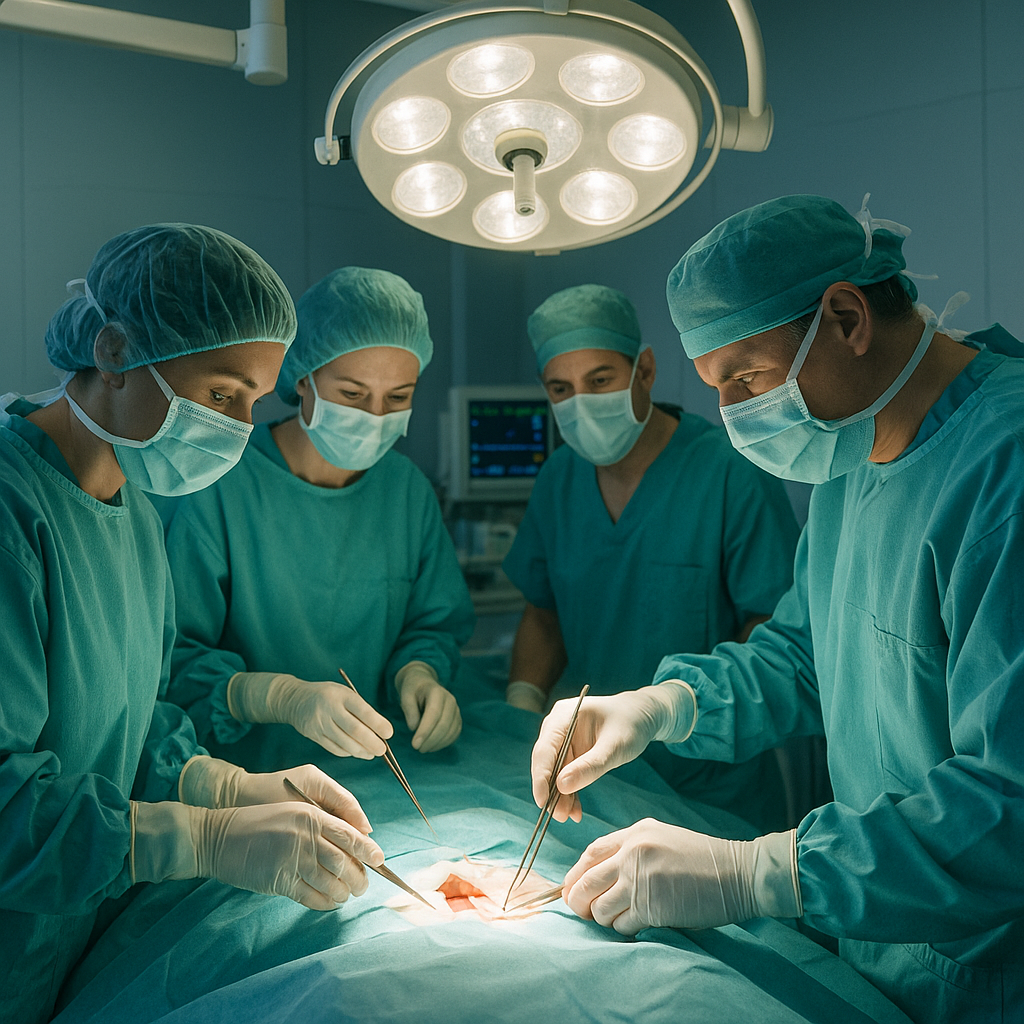
Peyronie's disease surgery becomes the most appropriate option when curvature is severe (typically over 60 degrees), when the disease has been stable for at least 6-12 months, and when less invasive treatments have failed or are unsuitable. Surgical approaches fall into three main categories. Plication procedures involve placing sutures on the opposite side of the penis from the curvature, effectively shortening the longer side to straighten the penis. These procedures are typically suitable for men with good erectile function and curvature less than 60 degrees, though they do result in some penile shortening. Plaque incision or excision with grafting involves cutting into or removing the plaque and patching the area with tissue grafts, which can correct more severe curvature whilst preserving length, though it carries higher risks of erectile dysfunction.
For men with Peyronie's disease accompanied by significant erectile dysfunction, penile implant surgery may be the most appropriate solution. This procedure involves placing inflatable or malleable rods inside the penis that both straighten the curvature and restore the ability to achieve rigidity suitable for intercourse. Implants can be combined with additional straightening techniques if needed. Whilst this is the most invasive option, it offers the advantage of addressing both curvature and erectile dysfunction simultaneously. Modern implants are highly reliable, with patient satisfaction rates typically exceeding 85-90%.
Specialist centres like Moorgate Andrology offer comprehensive Peyronie's disease treatment performed by experienced GMC-registered urologists. The clinic's approach involves thorough assessment of each patient's specific situation, including detailed measurement of curvature, evaluation of erectile function, and understanding of how the condition impacts the individual's life and relationships. This personalised assessment ensures that treatment recommendations are tailored to each patient's needs rather than taking a one-size-fits-all approach. Surgical procedures are performed in private, discreet clinic settings in London , with comprehensive aftercare supporting patients through recovery and restoration of sexual function. For men concerned about the cost of treatment, flexible financing options including 0% finance plans make procedures more accessible, ensuring that financial constraints need not prevent men from seeking effective treatment for this condition that so significantly impacts quality of life and intimate relationships.
About Moorgate Andrology
Moorgate Andrology is a UK-based specialist clinic providingpenis enlargement surgery, penile fillers and peyronies disease management.
Treatments are delivered using a medically-led approach focused on safety, precision, and natural-looking results



LEAVE A REPLY Cancel Reply
Your email address will not be published. Required fields are marked *