
 020 8163 2959
 Book A Free Consultation

Penile reconstruction surgery offers men with congenital or acquired deformities a pathway to restored function, improved aesthetics, and renewed confidence through advanced surgical techniques.
Understanding Penile Deformities and Their Impact on Quality of Life
Penile deformities encompass a range of conditions that affect the structure, shape, or function of the penis. These may be congenital, meaning present from birth, or acquired later in life due to injury, disease, or other medical conditions. Common deformities include abnormal curvature, variations in size or shape, and structural irregularities that may affect both appearance and function. Peyronie's disease, one of the most prevalent acquired penile deformities, involves the development of fibrous scar tissue inside the penis, leading to curved and sometimes painful erections.
The impact of penile deformities extends far beyond physical concerns. Men experiencing these conditions often report significant psychological distress, including anxiety, depression, and reduced self-esteem. Sexual function may be compromised, with difficulties in penetration, pain during intercourse, or erectile dysfunction becoming common challenges. These physical and emotional factors can strain intimate relationships and diminish overall quality of life.
Many men delay seeking treatment due to embarrassment or uncertainty about available options. However, understanding that penile deformities are medical conditions with effective treatment solutions is an important first step. Modern reconstructive techniques performed by experienced urologists can address both the functional and aesthetic aspects of these deformities, helping men restore confidence and improve their sexual wellbeing. Early consultation with a specialist allows for comprehensive assessment and the development of a personalised treatment plan tailored to individual needs and goals.
Types of Penile Reconstruction Procedures for Correcting Deformities
Several surgical approaches are available for correcting penile deformities, with the choice of procedure depending on the specific type and severity of the condition. For Peyronie's disease, surgical options include plication procedures, where sutures are placed on the longer side of the penis to counteract curvature, and grafting techniques, which involve removing or incising the plaque and replacing it with graft material to straighten the penis. These procedures are typically recommended when the curvature prevents satisfactory sexual function or causes significant discomfort.
Penile lengthening and girth enhancement procedures may be appropriate for men with congenital variations or those who have experienced penile shortening due to Peyronie's disease or other conditions. Lengthening surgery typically involves releasing the suspensory ligament to reveal more of the penile shaft, whilst girth enhancement can be achieved through surgical techniques or dermal grafting. For more complex deformities, including those resulting from trauma or previous unsuccessful surgeries, comprehensive reconstruction using advanced grafting techniques and tissue engineering may be necessary.
In cases where erectile dysfunction accompanies structural deformities, penile implant surgery offers a dual solution. Modern inflatable penile implants not only restore erectile function but can also help straighten significant curvature. The implants are custom-fitted to each patient and come with long-term reliability, with some manufacturers offering lifetime guarantees. GMC-registered urologists assess each patient's unique anatomy and circumstances to recommend the most appropriate surgical approach, ensuring both functional restoration and aesthetic improvement.
What to Expect During Your Penile Reconstruction Consultation
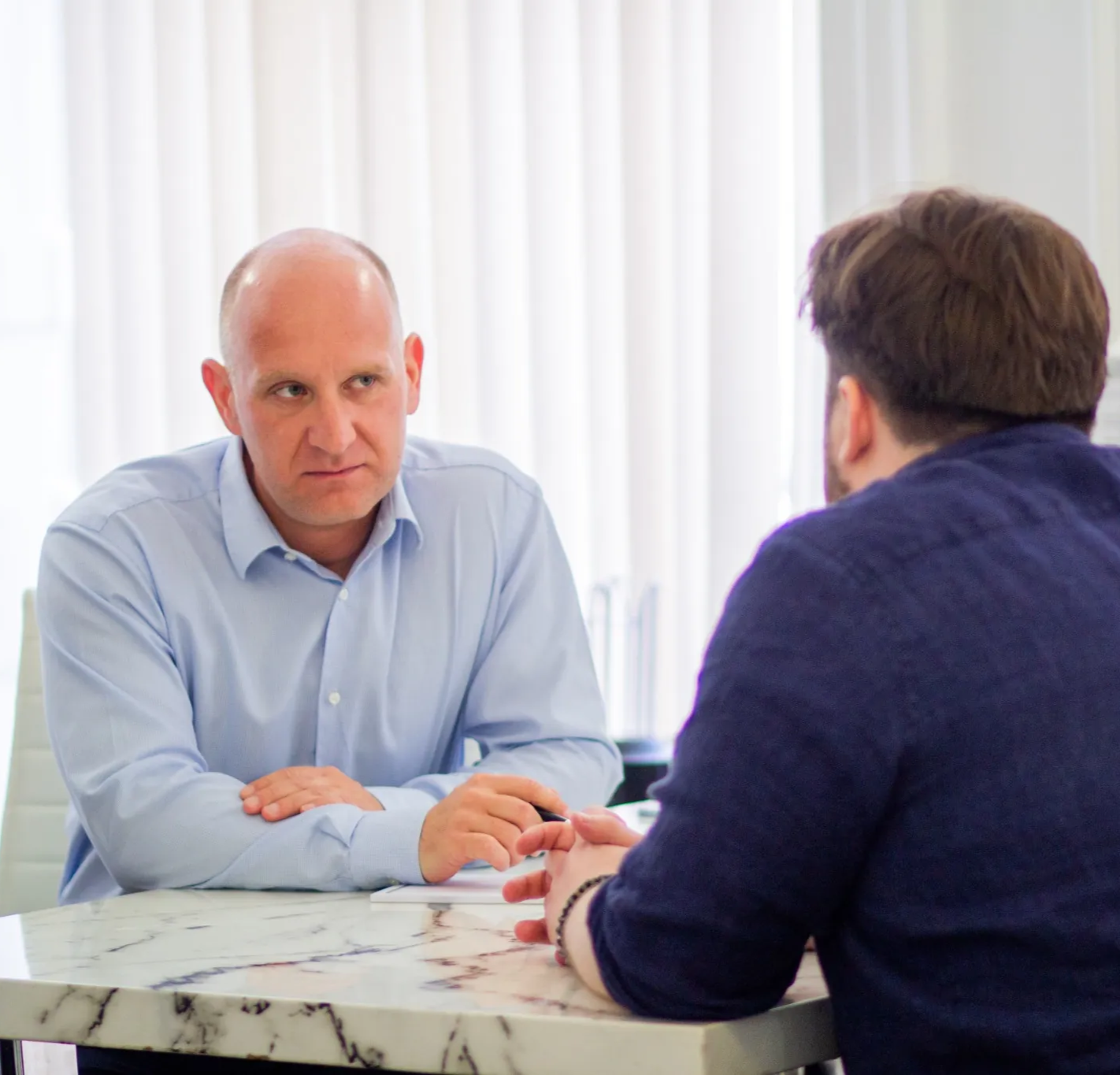
The consultation process is designed to be thorough yet discreet, providing a comfortable environment where concerns can be discussed openly with an experienced urologist. During your initial appointment, the specialist will take a comprehensive medical history, including details about the onset and progression of the deformity, any associated symptoms such as pain or erectile difficulties, and how the condition has affected your sexual function and quality of life. This information helps the urologist understand the full scope of your situation and tailor recommendations accordingly.
A physical examination is an essential component of the consultation. The urologist will assess the degree and direction of any curvature, identify areas of plaque or scar tissue, and evaluate penile size and erectile function. In some cases, photographic documentation may be taken for medical records and treatment planning purposes, always with your consent and maintained with strict confidentiality. Additional diagnostic tests, such as ultrasound imaging, may be recommended to visualise blood flow and identify the extent of internal structural changes.
Following the assessment, your urologist will explain the available treatment options in detail, including the benefits, potential risks, and expected outcomes of each approach. You will have the opportunity to ask questions and express your preferences and concerns. The specialist will provide realistic expectations about what can be achieved through surgery, including details about the surgical process, recovery timeline, and long-term results. For many patients, understanding that effective solutions exist and having a clear treatment plan provides immediate psychological relief. Financing options, including 0% finance plans, are also discussed to make treatment accessible and manageable.
The Surgical Process and Advanced Techniques Used in Penile Reconstruction
Penile reconstruction surgery is typically performed under general anaesthesia on a day-case basis, meaning most patients can return home the same day. The specific surgical technique employed depends on the nature of the deformity being corrected. For plication procedures, precise sutures are placed to reshape and straighten the penis without the need for incisions into the tunica albuginea, the fibrous covering of the erectile tissue. This approach generally results in shorter operating times and faster recovery, with minimal scarring.
More complex reconstructions involving grafting require careful planning and technical expertise. When plaque excision or incision is necessary, various graft materials may be used to replace or reinforce the affected tissue. These may include synthetic materials or biological grafts, selected based on individual patient factors and surgeon preference. Throughout the procedure, meticulous attention is paid to preserving neurovascular structures to maintain sensation and erectile function. Advanced surgical techniques, including microsurgical approaches, allow for precise tissue manipulation and optimal aesthetic outcomes.
Modern surgical instruments and techniques have significantly improved outcomes in penile reconstruction. The use of magnification and fine suturing materials enables surgeons to work with exceptional precision, minimising tissue trauma and promoting optimal healing. For patients receiving penile implants, careful sizing and positioning ensure natural appearance and function. Throughout the procedure, the surgical team maintains the highest standards of sterility and patient safety. The combination of experienced urologists, advanced techniques, and comprehensive patient care protocols ensures that penile reconstruction surgery is performed safely and effectively, with a strong focus on achieving natural, permanent results.
Recovery Timeline and Long-Term Outcomes After Penile Reconstruction
The initial recovery period following penile reconstruction surgery typically involves some swelling, bruising, and discomfort, which are normal responses to the surgical intervention. Most patients can manage discomfort effectively with prescribed pain medication during the first few days. You will receive detailed post-operative instructions, including guidance on wound care, activity restrictions, and signs of potential complications that require immediate attention. A dressing or compression garment may be applied to support healing and minimise swelling during the early recovery phase.
Most men can return to light, non-strenuous activities within one to two weeks following surgery. However, it is essential to avoid heavy lifting, vigorous exercise, and sexual activity for approximately six weeks to allow proper healing of the surgical site. Your urologist will schedule follow-up appointments to monitor your progress, remove any sutures if necessary, and address any concerns that arise during recovery. Comprehensive aftercare support is provided throughout the healing process, ensuring you feel confident and informed at every stage.
Long-term outcomes from penile reconstruction surgery are generally very positive, with most men experiencing significant improvement in both function and appearance. Studies show high satisfaction rates among patients who undergo correction of penile deformities, with many reporting restored sexual confidence and improved intimate relationships. The permanence of surgical results means that the benefits are lasting, though individual outcomes can vary based on factors such as the severity of the original deformity, surgical technique used, and patient adherence to post-operative guidelines. Regular follow-up care ensures that any concerns are addressed promptly and that you achieve the optimal outcome from your procedure. With the support of experienced urologists and a commitment to personalised patient care, penile reconstruction surgery offers a reliable pathway to restored function and renewed confidence.
About Moorgate Andrology
Moorgate Andrology is a UK-based specialist clinic providing penis enlargement surgery, penile filler treatment, and peyronies disease management.
Treatments are delivered using a medically-led approach focused on safety, precision, and natural-looking outcomes




LEAVE A REPLY Cancel Reply
Your email address will not be published. Required fields are marked *